Megumi Peonia: A Playful Font for Every Creative Project
It was late, the scent of lavender and beeswax lingering in my workshop, and I was staring at the blank design file for my new candle labels. I needed a font that felt organic, joyful, and a little bit magical. I typed in "Summer Meadow," the name of the candle, and as soon as I switched to Megumi Peonia, everything changed. The letters didn't just sit there; they danced. That wavy, shaken-up line quality gave the name a gentle, breezy motion, like grass swaying in a field. The label mock-up instantly felt alive. This is the magic of finding a font that speaks to your product’s soul.
The Whimsical Personality of a Dancing Typeface
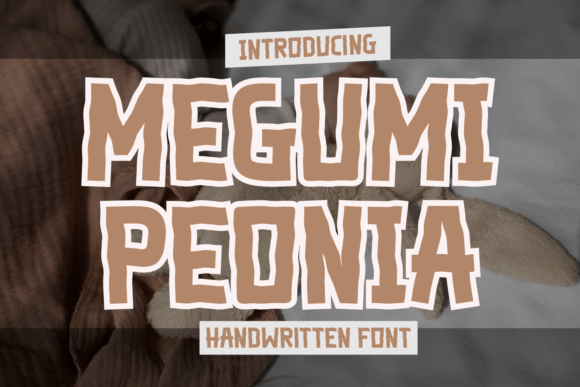
Megumi Peonia is more than a collection of letters; it’s a visual personality. Its charm lies in its playful, undulating forms. Each character looks like it was drawn with a confident, happy hand, then given a slight shake to add a touch of whimsical movement. This isn’t a stiff, formal script. It’s friendly and fun, with a rhythm that feels both spontaneous and graceful. The overall mood is one of lighthearted creativity—perfect for projects that aim to convey warmth, handmade charm, or a touch of joyful celebration.
For makers and sellers, this personality translates directly to product appeal. A font isn't just readable text; it's a key part of the emotional language of your brand. When a customer sees your greeting card or picks up your packaged product, the typography is whispering to them before they even read the words. Megumi Peonia whispers of carefree days, artistic flair, and thoughtful, personal creation.
Bringing Products to Life with Decorative Text
This font excels as a display typeface, meaning it's ideal for short phrases, names, titles, and decorative wording where its personality can shine. Its dancing letters are best used for the elements you want to highlight.
Real-World Applications for Your Shop
Imagine applying it to:
- Candle Labels & Product Packaging: As I discovered, it transforms simple names into evocative stories. "Cozy Cabin" feels warmer, "Sea Salt" feels breezier.
- Greeting Cards & Invitations: For a birthday card, the celebrant's name pops with joy. On a wedding invitation, the couple's names or the phrase "Together Forever" gains a romantic, flowing elegance.
- Wall Art & Digital Printables: In a printable quote for a kitchen, words like "Gather" or "Bon Appétit" become decorative elements themselves, full of movement and charm.
- Stickers & Planner Pages: Using it for header titles in a weekly planner adds a burst of creative energy to functional pages. On sticker sheets for crafters, labels like "Made with Love" or "Handmade" carry their message with authentic flair.
- Boutique Tags & Packaging Details: A simple hangtag on a tote bag with the shop name or a short motto like "Carry Your World" becomes a distinctive brand marker.
- Seasonal & Holiday Designs: For a spring market sign, "Fresh Flowers" dances; on a Halloween treat bag, "Trick or Treat" gets a playful, spooky wiggle.
It's important to consider readability for physical products. For smaller items like sticker details or tiny product labels, use Megumi Peonia for the key word only, and pair it with a clean, legible sans serif font for any necessary smaller text like ingredients, dates, or instructions. This ensures your design is both beautiful and functional.
Crafting a Cohesive Brand Feeling
Consistency in your brand identity builds customer recognition and trust. Choosing a primary decorative font like Megumi Peonia for your headlines, product names, and special messages creates a signature look across your entire shop—from your social media graphics to your product mockup previews and physical packaging design. When a customer sees that same joyful, wavy text on your Etsy listing, your Instagram post, and finally on the product they receive, it creates a seamless and memorable experience. The font becomes part of your story.
Practical Pairings for Balanced Designs
To balance the decorative energy of Megumi Peonia, pairing is key. For body text on invitations or cards, a classic serif font like Garamond provides elegance and readability. For modern labels and web listings, a simple sans serif like Montserrat offers clean contrast. Sometimes, pairing it with another simple handwritten font for secondary details can maintain the handmade vibe while ensuring all text is clear. Always test your pairings in a mock-up before finalizing a design for print or digital use.
Essential Checks Before You Create and Sell
As a creative business owner, your commercial font licensing is crucial. Before using Megumi Peonia on physical products, merchandise like mugs or shirts, or in digital downloads and templates you sell, verify that your license permits commercial use. This protects your business and respects the font creator's work.
Also, explore the font's capabilities. Does it include alternates, ligatures, or swashes that can add even more customization to a special name or title? Check the file formats to ensure compatibility with your software—whether you're designing in Canva, Adobe Illustrator, or using a cutting machine like Cricut or Silhouette for SVG-style designs. Understanding the included styles and weights helps you maximize its potential. If you sell internationally, confirming multilingual support can be important for future projects.
The journey from a blank screen to a finished, printed label or a published digital wall art template is a creative story. Megumi Peonia is a font that invites you into that story with a playful spirit. It asks you to see your product names not just as words, but as the first visual gesture of welcome to your customer. It turns a simple tag into a conversation starter and a greeting card into a small celebration. In the hands of a maker, a typeface like this isn't just a tool; it's a collaborator, adding its own unique voice to the beautiful things you bring to life.